
Nobody likes to disturb a sleeping baby, but sometimes a baby can be too sleepy for their own good. Most newborns do sleep a lot in the first week or two, but some babies are so sleepy that they need extra support with feeding until their energy increases. If your newborn is very sleepy, there are lots of things you can do to help them get plenty of milk, including expressing your milk for them if necessary. As long as your baby is fed and your milk is flowing, you’ve got lots of time to work on breastfeeding.
Summary
- Babies need to breastfeed frequently in the early days to get enough milk and bring in a strong milk supply.
- Some babies are too sleepy to feed as much as they need to.
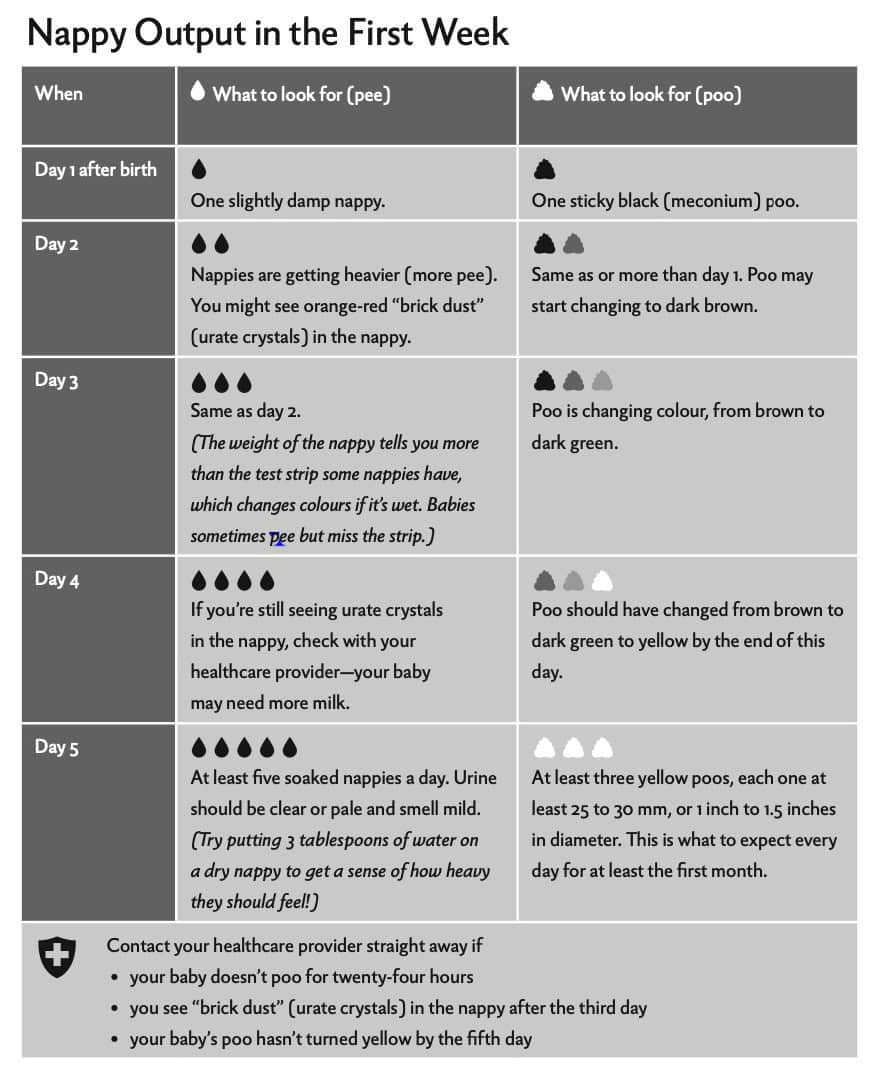
- Your baby’s growth and nappy output (especialls poos) are reliable signs of whether they are getting enough milk.
- Encourage your baby to breastfeed at least 8-12 times in 24 hours.
- If your baby doesn’t yet have the energy to nurse this often, you can express your milk to keep your baby fed and bring in a strong milk supply.
- Reach out for as much support as you need — LLL Leaders are here to help.
On this page
What makes a baby extra sleepy?
Is my baby getting enough milk?
How can I wake my sleepy baby to feed?
How can I help my sleepy baby breastfeed well?

What makes a baby extra sleepy?
- Recovering from birth: In the first few days, some babies are sleepy or uninterested in feeding. It’s especially true for small babies, after a difficult labour or birth, or if you received medication for pain relief during labour.
- Early birth: babies who are born prematurely usually get tired quickly, even if they were only born a bit early.
- Jaundice or an infection may make a baby sleepy. Newborn jaundice is normal but frequent breastfeeding helps prevent it becoming a problem.
- Not enough milk: Your baby may sleep to save energy if they are getting less milk than they need.
- Separation: They may also sleep longer if they are apart from you.
Is my baby too sleepy?
Newborns vary, but most babies will wake and feed frequently enough to take what they need.
Your baby is likely not too sleepy if they are:
- Waking and feeding at least 8–12 times in 24 hours.
- Feeding actively for at least part of each feed, with regular swallowing (every 1-2 sucks) once milk is flowing.
- Having some periods of more frequent feeding (often in the evening).
- Waking on their own for at least some feeds.
Feeds don’t have to be spaced at set intervals (such as every 2-3 hours) — you can fit them in whenever your baby is awake enough, even if that means several feeds close together.
Try not to let your sleepy newborn sleep for more than about 4-5 hours without feeding. Your baby needs frequent feeds for energy, and your breasts need frequent stimulation to make milk.
Your baby may be too sleepy if they:
- Rarely wake for feeds or need waking most of the time
- Fall asleep quickly at the breast and do little active sucking
- Miss feeds or go long stretches without feeding
- Are difficult to rouse, even when they seem hungry.
If your baby seems too sleepy to feed often or actively enough, they may need extra help to feed effectively.
The next section explains how to tell whether your baby is getting enough milk, and what to do if you’re unsure.
Is my baby getting enough milk?
It’s normal for babies to lose some weight after birth (usually up to about 7%). From around day 3–4, most babies start gaining weight and regain their birth weight by 10–14 days. A pattern of weight gain over time confirms that your baby is getting enough milk.
Dirty nappies are also a key sign to look out for in the first month or so.
It’s important to seek help of your baby:
- is not gaining weight as expected
- has not regained their birth weight by 2-3 weeks
- or is producing fewer dirty nappies than expected.
Talk to your midwife or health visiting team. You might also want to reach out to a breastfeeding supporter, such as a La Leche League Leader.
For more detail, see our article on how to tell if your baby is getting enough milk.
How can I wake my sleepy baby to feed?
If your baby is very sleepy and not waking to feed, you will need to wake them to make sure they get enough milk.
Keeping your baby close makes it easier to notice early feeding cues. Hold your baby as much as you can. Skin-to-skin contact keeps your baby warm and calm, and encourages them to feed.
It’s usually easier to rouse a baby during a lighter sleep. Look for:
- Rapid eye movements under closed eyelids
- Small movements of arms and legs
- Mouth movements
- Changes in facial expression
At these times, your baby may be easier to wake.
You can also try
- Undressing your baby
- Keeping the room calm, dim and quiet
- Talking to your baby
- Stroking their feet or back
- Gently rocking them from side to side
How can I help my sleepy baby breastfeed well?
‘Laid-back breastfeeding’ can be a very helpful way to encourage a sleepy baby to feed. You can do this skin-to-skin, or with you and your baby lightly clothed.
- Make yourself comfortable in a semi-reclined position, like on a sun lounger.
- Place your baby on your body, with their tummy against you.
Snuggled up on your chest, they may seek the breast and feed even during light sleep. Spending relaxed time like this can make a real difference to how well your baby feeds and how much milk you make.
See our page on Comfortable Breastfeeding for more ideas
A very sleepy baby may fall asleep quickly at the breast, before taking as much milk as they need. To help your baby get more milk:
- Encourage active feeding — breast compressions can help keep milk flowing.
- Switch sides when your baby slows down — a “fresh” breast may help them start feeding again.
- Take advantage of more alert periods and offer the breast as often as your baby will take it.
- Offer expressed milk if your baby is not feeding well.
What if my baby is still too sleepy to breastfeed well?
Many babies have a sleepy start and go on to breastfeed well.
For now, you may need to do some or all of the work of feeding. As long as your baby is fed and your milk is flowing, you have plenty of time for breastfeeding to improve.
Expressing your milk:
- Gives you milk to feed your baby now
- Helps build a strong milk supply for later
Start as soon as you can after birth, and aim to remove milk from your breasts (by feeding or expressing) at least 8-12 times in 24 hours.
Hand expression usually works best the first few days after birth. After that, combining hand expression with pumping can be effective and more comfortable.
Offer your baby as much expressed milk as they will take, as often as you can. There are different ways to give expressed milk. A breastfeeding supporter can help you choose one that works well for you and your baby.
Will this get easier?
Babies are strongly programmed to breastfeed. With time, patience, and sometimes a little help, most sleepy babies go on to feed well.
Our article on getting breastfeeding back on track explains how to keep your baby fed and protect your milk supply while things get better.
Your healthcare team (midwives and health visitors) can support you and help make sure your baby is doing well.
We’re here to help. Many families in the LLLGB community had a sleepy baby at the start — we know how hard it can be, and we have confidence that things can and do get better
Written by mothers of LLLGB.
Updated by Jayne Joyce, April 2026.
If this article has helped you, please consider supporting LLLGB with a donation. Every gift, however small, helps keep breastfeeding information and support flowing.
Further Reading
Comfortable Breastfeeding
Positioning and attachment
Engorged Breasts – Avoiding & Treating
Hand Expression of Breastmilk
Is my baby getting enough milk?
My Baby Needs More Milk
Jaundice in Healthy Newborns
Getting back on track after a difficult start – the Three Keeps
Bottles and other tools
Other websites
Natural Breastfeeding (laid-back breastfeeding) video from Nancy Mohrbacher
Books
The Art of Breastfeeding. La Leche League International, 9th edition, 2024.
Copyright LLLGB 2020, 2026